

Contact
E-mail:
Phone/Wechat:
WhatsApp:
Add:
No. 52, Weier Road, Chengdong Industrial Park, Anping County, Hengshui City, Hebei Province

Prefabricated Expandable Modular Home

- 产品描述
-
Prefabricated Expandable Modular Home
In recent years, the concept of sustainable living has gained immense popularity, prompting innovative architectural solutions to address the pressing issues of urbanization and environmental sustainability. Among these solutions, the expanding container house has emerged as a compelling option for those seeking flexibility, affordability, and eco-friendliness in their living spaces. This article explores the design, benefits, challenges, and future potential of ePrefabricated Expandable Modular Home
Understanding the Concept
A Prefabricated Expandable Modular Home is a factory-built residential building based on the expandable container house design. It is engineered to fold into a compact, standard container-sized footprint for low-cost, easy transport, then quickly unfold on-site to double or triple its usable floor area.
At its core, the unit consists of:
A heavy-duty steel frame designed for repeated transport, stacking, and expansion.
Insulated wall, roof, and floor panels that form a weatherproof, temperature-controlled living space.
Factory-installed windows (often with built-in blinds for privacy and light control), sliding glass doors, basic electrical wiring, and pre-routed plumbing connections.
Expandable side wings that slide out from the central core, creating a larger, open-plan layout with multiple rooms.
Unlike basic container units, this home is purpose-built for residential use, with finishes and layouts designed to feel like a permanent house, while retaining the modular flexibility of expandable construction.Benefits of Expanding Container Houses
Rapid deployment: Built entirely in a controlled factory environment, the unit arrives at the site nearly complete. On-site setup—including unfolding, leveling, and connecting utilities—can be finished in hours or days, far faster than traditional home construction.
Significant cost savings: Factory production reduces labor and material waste, while the compact shipping size cuts down on logistics costs. It is typically much more affordable than building a custom home from scratch.
High space efficiency: Folds to a compact footprint for transport, then expands into a spacious, multi-room home. This makes it ideal for remote locations, small plots, or temporary housing needs where space and logistics are a challenge.
Durable and low-maintenance: The steel frame and insulated panels are built to withstand harsh weather, including strong winds, rain, and temperature extremes. The smooth exterior siding is easy to clean and requires minimal upkeep.
Versatile functionality: Suitable for a wide range of applications, including permanent or vacation homes, remote worker housing, staff accommodation, disaster relief shelters, and even small community facilities.
Flexible layout options: The expandable design allows for open-plan living areas, separate bedrooms, bathrooms, and kitchens, depending on the configuration chosen at the factory stage.Challenges in Implementation
Transport and site logistics: When expanded, the unit’s width exceeds standard road limits in many regions, requiring permits or specialized transport. On-site setup also requires a flat, stable foundation (concrete slab, compacted gravel, or adjustable piers) to ensure the expandable mechanism works properly.
Customization limitations: Major structural changes, such as modifying the layout, adding new rooms, or changing the window placement, are difficult and costly once the unit is manufactured. Most customizations must be finalized during the design phase.
Climate-specific performance: In extremely cold or hot climates, additional insulation or HVAC upgrades may be needed to maintain comfortable indoor temperatures, as the modular design can be less thermally efficient than a traditional stick-built home without proper upgrades.
Local building regulations: Residential modular homes are subject to strict local building codes, zoning laws, and occupancy regulations. These can vary significantly by region, requiring permits and inspections before the home can be occupied.
Resale and financing considerations: In some markets, expandable modular homes may face challenges with financing or resale value compared to traditional homes, due to perceptions of modular construction.The Future of Expanding Container Houses
As global demand grows for affordable, fast-built, and sustainable housing, expandable modular homes are poised to play a major role in the future of construction. Key trends shaping their development include:
Sustainable and eco-friendly design: Increasing use of recycled materials, energy-efficient insulation, solar panel integration, and rainwater harvesting systems to reduce the environmental impact and make homes fully off-grid capable.
Smart home integration: Built-in smart features such as energy-efficient lighting, smart thermostats, security systems, and remote monitoring to enhance comfort and reduce energy use.
Customizable residential designs: A shift toward more aesthetically diverse options, including different exterior finishes, roof styles, and interior layouts, to meet the growing demand for modular homes that blend seamlessly into residential neighborhoods.
Expanded use cases: Wider adoption in the tourism industry (glamping resorts, eco-lodges), as well as in urban areas as affordable housing solutions, student accommodation, and temporary housing for disaster relief and construction projects.
Improved thermal performance: Advanced insulation materials and airtight construction techniques to enhance energy efficiency, making expandable modular homes suitable for all climates.Conclusion
The Prefabricated Expandable Modular Home offers a practical, cost-effective, and flexible solution for modern housing needs. It combines the speed and affordability of factory-built modular construction with the comfort and functionality of a traditional home, making it ideal for a wide range of users, from individuals seeking an affordable residence to organizations needing fast, scalable housing solutions. With ongoing advancements in sustainability, design, and smart technology, these homes are set to become an increasingly popular choice for both temporary and permanent living spaces around the world.
Key words:
Related Products
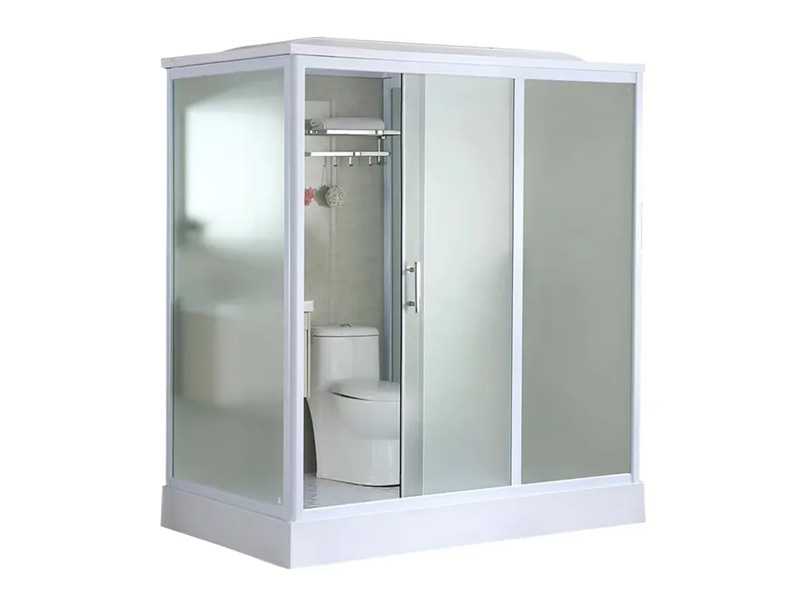
Removable integrated shower room integrated bathroom partition dry-wet separate bathroom
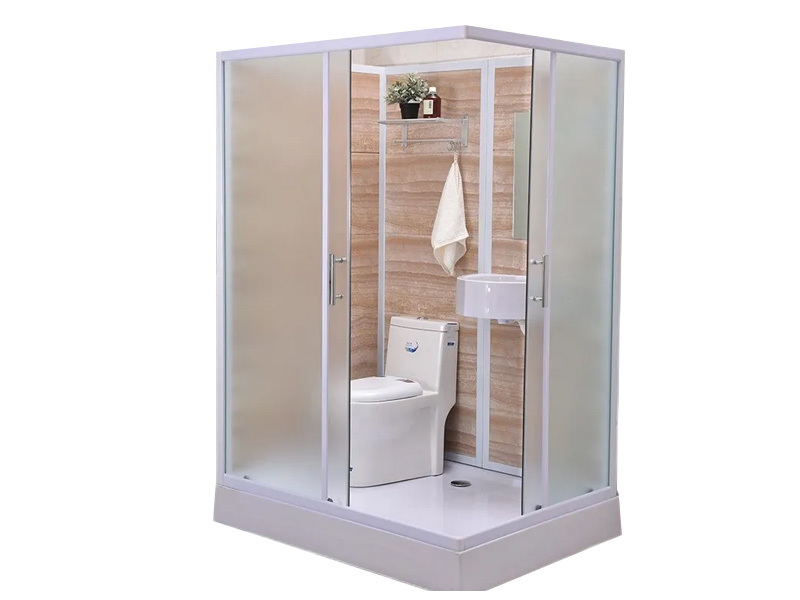
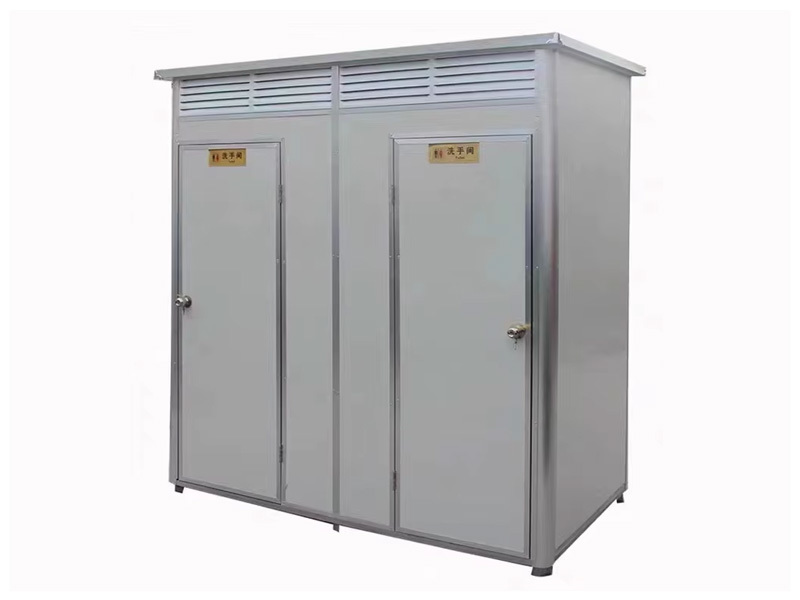
Ready To Use Prefab House Public Outdoor Bathroom Mobile Portable Toilet And Showers For Camping
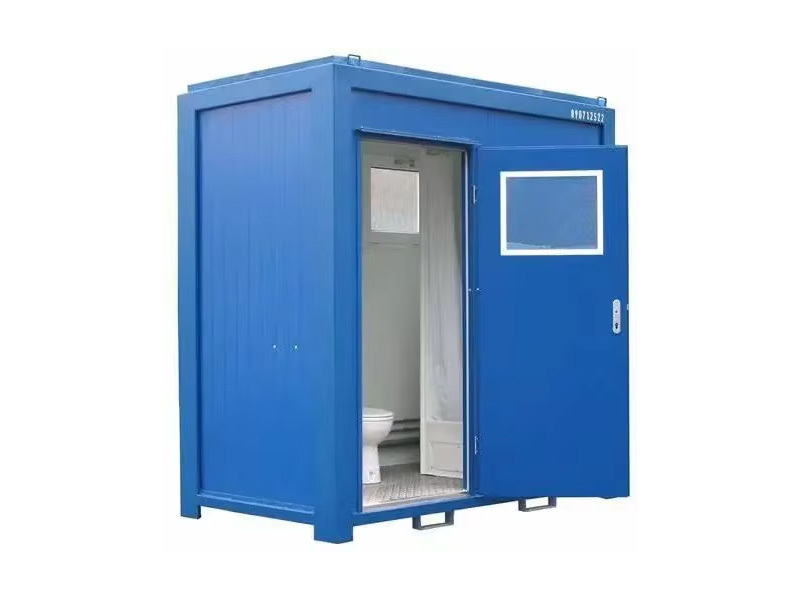
Prefab House Public Outdoor Bathroom Mobile Portable Toilet And Showers For Camping